
edited by Sister Faustina Marie, DCJ
Twice in one week when I referenced the term 'my cell', I got second glances from lay people. This topic of interest had also been brought up by wide-eyed kids we’ve met, so I wrote a reflection about it.
These rooms, if taken the Genesis approach, aren't negative places to be confined, but beautiful solitudes of peace. Nature's prime example takes us back to high school science class for in-depth learning about cells in plant life (days of class work/test questions to cover by the way). Each living thing is made up of these researched, minuscule amazements that only God could create. Inside our cell, we regenerate our life by physical rest, mental reprieve, maintenance, and spiritual consolation. Even Adam found himself a place to rest in the most pleasurable place on Earth at his time: Eden. God created us to sleep about one third of our lifetime away. He saw rest as good, important and humbling enough a task to model as Jesus did. This ties to the obligation of Sunday as a day of rest, but that's another article.
The word cell comes from the Old French celle used to describe a monastic cell, itself from the Latin meaning "room" or "store room". The square feet of today’s standard cell is normally no more than a few of you standing on top of each other. Anything wider than that would morph into the term dormitory or chamber. Picture the interior size of a common treehouse and add a small closet...and space for a hand sink. These simple, identical rooms that make up our convents, have minimal furnishings because with the Vow of Poverty we don’t own or need much to pack into a cell, so we personally don’t feel claustrophobic in our living areas.
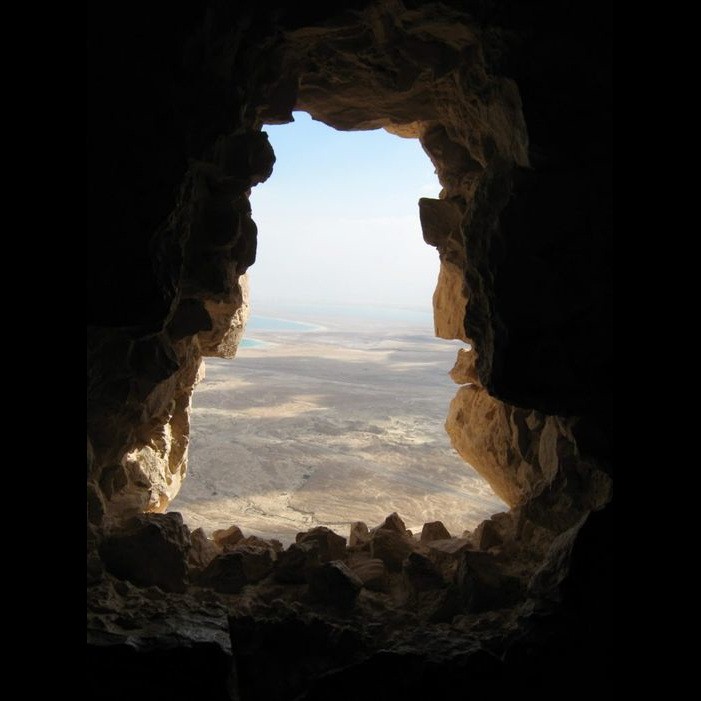
Let’s turn back a bit to sepia colored pages for earlier insight. One of the most famous mountains in the Holy Land is Mount Carmel. It has been honored with biblical references in at least three books of the Bible: Joshua, Samuel and 1 Kings. Egyptian records describe this sanctified place as “holy mountain” as early as 16th century B.C.. Carmel-ites were Christian hermits who migrated there in search of a peaceful refuge to dedicate their lives solely to God during the late eleventh century. Each hermit settled in his own cave or hut built out of Mt. Carmel’s materials (mostly rock). Soon enough a first chapel was built of stones there that united the hermitages into a zealous community under the special patronage of Our Lady! These monastic Carmelite origins are one example of cells.
Have you heard the song
In My Room by the Beach Boys? Just hearing it is relaxing. One line goes, “there’s a place where I can go and tell my secrets to…lie awake and pray”. Jesus agrees. He told us after all, that one of the best ways to pray is to (Mt 6:6) “go to your inner room, close the door, and pray to your Father in secret. And your Father who sees in secret will repay you.”
We were taught upon entering Religious Life that our cell is 'an extension of the chapel'. Even dungeons, the most horrifying hovels can be turned into a prayer space, like where the heroic prisoners of war and victims of political injustice stored their precious treasures of faith and hope. That “inner room” Our Savior mentioned, isn’t just a physical room, but a place in our soul to commune with God regardless of exterior circumstances. And that “door” He added closing behind you? A figurative way to close off temptations and distractions that the devil so eagerly presses upon us to keep us from talking to God. No matter what it looks like, we can be present with God anywhere, we have the incredible ability to invite the sacredness of contemplation and silence into our hearts. Was the dignity of Christ's humanity lessened by being born in an odorous cave or stable? Absolutely not. So next time you see a Religious departing the apostolate, you will know how comforted she feels when she gets to “go to her room, by her-CELL-f!”